
What to Wear in Lapland in Winter

What to Wear in Lapland in Winter
Real advice for staying warm in Arctic conditions
Packing for Lapland in winter can feel more complicated than it needs to be.
You see temperatures of –10°C, –20°C or even –30°C and suddenly you're wondering whether you need expedition clothing just to walk outside.
You don't.
But you do need the right clothes.
After spending many winters in Finnish Lapland, the biggest lesson is simple: staying warm isn't about wearing as many clothes as possible. It's about wearing the right layers and keeping wind, snow and moisture out.
Get that right and even very cold days can be surprisingly comfortable.
If you're travelling with children, we have a separate guide to What to Wear in Lapland with Kids, because dressing a child for Arctic winter is slightly different.
How cold is Lapland in winter?
Winter conditions vary enormously.
A relatively mild winter day might be around –5°C. On another day, temperatures can drop below –25°C, and during particularly cold periods they can fall much lower.
But the number on the thermometer doesn't tell the whole story.
Wind, humidity, how long you're outside and what you're doing all make a difference.
Standing still waiting for the Northern Lights feels very different from walking through deep snow.
If you're worried about the cold itself, read What Does Lapland Cold Actually Feel Like?, where Paul explains what these temperatures actually feel like when you live here.
The important thing is to dress in layers so you can adjust.
The three-layer system
You don't need ten layers.
For most winter days in Lapland, think in three.
1. Base layer: keep your skin dry
Start with thermal underwear next to your skin.
Merino wool is an excellent choice because it insulates well, manages moisture and can be worn repeatedly without becoming uncomfortable.
Synthetic thermal clothing can work well too.
What I would avoid for long periods outdoors is cotton. Once cotton becomes damp from sweat, it loses much of its insulating ability and takes a long time to dry.
A good base consists of:
- long-sleeved thermal top
- thermal leggings
- warm socks
Don't make your socks so thick that your boots become tight. Air around your feet helps keep them warm.
That's an easy detail to overlook.
2. Mid-layer: create warmth
Your second layer provides insulation.
A wool sweater, fleece or insulated mid-layer works well.
How thick it needs to be depends on the temperature and what you're doing. If you're hiking or moving constantly, you'll need less insulation than if you're sitting still outside for an hour.
This is why layering works so well: you can add or remove warmth instead of relying on one enormous jacket.
3. Outer layer: stop the wind and snow
Your outer clothing needs to protect everything underneath.
A proper winter or ski jacket and insulated ski trousers are usually the easiest solution for visitors.
Look for clothing that is:
wind-resistant, water-resistant and designed for cold-weather outdoor use.
I personally prefer a separate jacket and trousers rather than a one-piece suit.
Why?
Because buildings in Finland are warm.
Walk into a café, restaurant or shop dressed for –20°C and you'll understand very quickly why being able to remove your outer jacket is useful.

What shoes should you wear in Lapland?
This is one area where I wouldn't compromise.
Bring proper winter boots.
They should be warm, waterproof or highly water-resistant, comfortable to walk in and have a sole with good traction.
Snow isn't the only issue.
Ice is.
Paths, parking areas and roads can become extremely slippery, particularly when temperatures fluctuate.
And make sure your boots aren't too tight once you're wearing winter socks. Compressing your socks and insulation can actually make your feet colder.
What about Uggs, Moon Boots and sneakers?
I wouldn't choose them as your main outdoor footwear for an active Lapland holiday.
The issue isn't whether a particular brand looks warm. It's whether your specific footwear gives you enough insulation, moisture protection, stability and grip for the conditions you'll encounter.
City sneakers are an especially poor choice for extended time outdoors.
You don't need five pairs of shoes.
One genuinely good pair of winter boots will do far more for you.
Mittens or gloves?
For serious cold, mittens are often warmer than gloves because your fingers share heat.
If you need more dexterity, thin liner gloves underneath mittens can be useful. You can briefly remove the mitten to use a camera or phone without exposing completely bare hands.
Whatever you choose, make sure your gloves or mittens are insulated and suitable for snow.
And don't forget your wrists.
Your jacket sleeves and gloves should overlap rather than leaving a little strip of skin exposed.
Protect your head, neck and face
Wear a warm hat that properly covers your ears.
Add a buff, neck warmer or scarf that you can pull up when necessary.
On very cold days, exposed cheeks and noses can become uncomfortable surprisingly quickly, particularly when you're travelling at speed on a snowmobile or spending a long time outside.
The goal isn't to cover every centimetre of your face all day.
It's to have the option when you need it.
Wool sweaters are genuinely useful here
This is one item where practical and beautiful happen to work together.
A good wool sweater works as a mid-layer outside and is comfortable indoors once you've taken off your winter jacket.
It also means you don't need completely separate wardrobes for indoors and outdoors.
Bring one or two good ones rather than filling your suitcase with bulky sweaters.
Don't forget reflectors
This is something visitors from other countries sometimes overlook.
Winter in Lapland is dark.
Around the darkest part of the year, daylight is limited, and you'll often be walking outside in low light or darkness.
Reflective details make you much easier for drivers and other road users to see.
Many Finnish winter jackets and children's clothes already have reflective elements. If yours don't, small hanging reflectors, reflective bands and other accessories are inexpensive and easy to find in Finland.
They're tiny.
Bring or buy them.
What about skincare in extreme cold?
This is an area where I'd simplify the original advice.
Your skincare does not literally need to be completely oil-based because otherwise it will “freeze on your face.” That's an oversimplification.
What matters more is protecting your skin barrier and avoiding going straight outside in severe cold with skin that is still wet from washing or freshly applied products.
If your skin becomes dry in winter, a richer moisturiser or balm can help protect exposed areas.
Apply your skincare early enough that it has absorbed before heading outdoors.
And don't forget your lips.
A simple protective lip balm is one of the smallest and most useful things you can put in your pocket.
Do you need sunglasses in Lapland?
Yes — especially later in winter when the sun returns more strongly.
Snow reflects a lot of light, and on bright days the combination of low Arctic sun and snow can be surprisingly intense.
Sunglasses are easy to forget when packing for an Arctic holiday.
Put them on the list.

What to pack for Lapland in winter
You don't need an enormous Arctic wardrobe. For a typical winter trip, this is a solid starting point:
- Thermal base layers
- Wool or fleece mid-layer
- Insulated winter or ski jacket
- Insulated ski trousers
- One or two wool sweaters
- Several pairs of warm socks
- Proper insulated winter boots with good grip
- Warm mittens or gloves
- Optional thin liner gloves
- Warm hat covering your ears
- Buff or neck warmer
- Reflective accessories
- Sunglasses
- Lip balm and protective moisturiser
- Small backpack for outdoor days
Adjust the quantities to the length of your stay.
What can you leave at home?
This is where you can save quite a lot of suitcase space.
Too many shoes
You probably don't need several pairs of fashionable winter shoes.
Bring good winter boots for outside and, if you want them, one light pair of normal shoes for travelling, restaurants or indoors.
That's enough.
Cotton as your main outdoor layer
A cotton T-shirt isn't forbidden in Lapland.
But for long periods outdoors, don't rely on cotton as your thermal layer. Wool and appropriate synthetic technical materials manage moisture much better.
Your elegant winter coat
Bring it if you really want it for dinner.
But don't mistake a fashionable European winter coat for technical Arctic outdoor clothing.
For long periods outside, protection from wind and snow matters much more.
Huge handbags
They're annoying with winter clothing.
A small backpack is usually much easier when you're wearing gloves and carrying an extra layer, water, snacks or a camera.
Half your wardrobe
You will probably wear the same good pieces again and again.
That's normal here.
One last thing: don't overdress either
This sounds strange in an article about Arctic clothing, but it's important.
Being too warm can also make you cold.
If you're walking, snowshoeing or doing something active and you begin sweating heavily, your clothing becomes damp. Once you stop moving, that moisture cools down.
So don't automatically put on every layer you own.
Dress for what you're actually going to do.
Standing outside waiting for the Northern Lights?
Add insulation.
Walking quickly through the forest?
You may need less.
Heading inside?
Take layers off before you're overheating.
After a few days, it becomes surprisingly intuitive.
The cold shouldn't keep you indoors
The purpose of good winter clothing isn't simply to survive the temperature.
It's to forget about it.
When you're warm and comfortable, you stop thinking about whether it's –10°C or –20°C.
You start noticing the snow under your boots.
The silence in the forest.
The strange blue winter light.
Or the sky above you while you're waiting to see whether the Northern Lights decide to appear.
That's when you've dressed properly for Lapland.

And don't forget the cosy part
After a day outside, coming back into the warmth is part of the experience too.
Warm socks, comfortable clothes, something hot to drink and a fire are sometimes exactly what you want after hours in the snow.
And then there's the sauna.
If your accommodation has one, bring a swimsuit if you prefer to wear one and something comfortable to put on afterwards.
The contrast between a freezing winter evening outside and the heat of a Finnish sauna is one of those things that just belongs to winter here.
Final thought
Lapland isn't about looking perfect in the snow.
It's about being comfortable enough that the cold doesn't stop you from experiencing it.
Pack good layers, proper winter boots and clothing that lets you move. Don't fill your suitcase with things you won't use.
And once you're here, you'll probably discover that Arctic winter feels much less intimidating than it looked on the weather forecast.
If you're travelling with children, read our What to Wear in Lapland with Kids guide for more specific advice on keeping little ones warm.
And for ideas on getting outside together, see Playgrounds in Lapland — How Kids Enjoy the Arctic Winter.
Continue Exploring Lapland
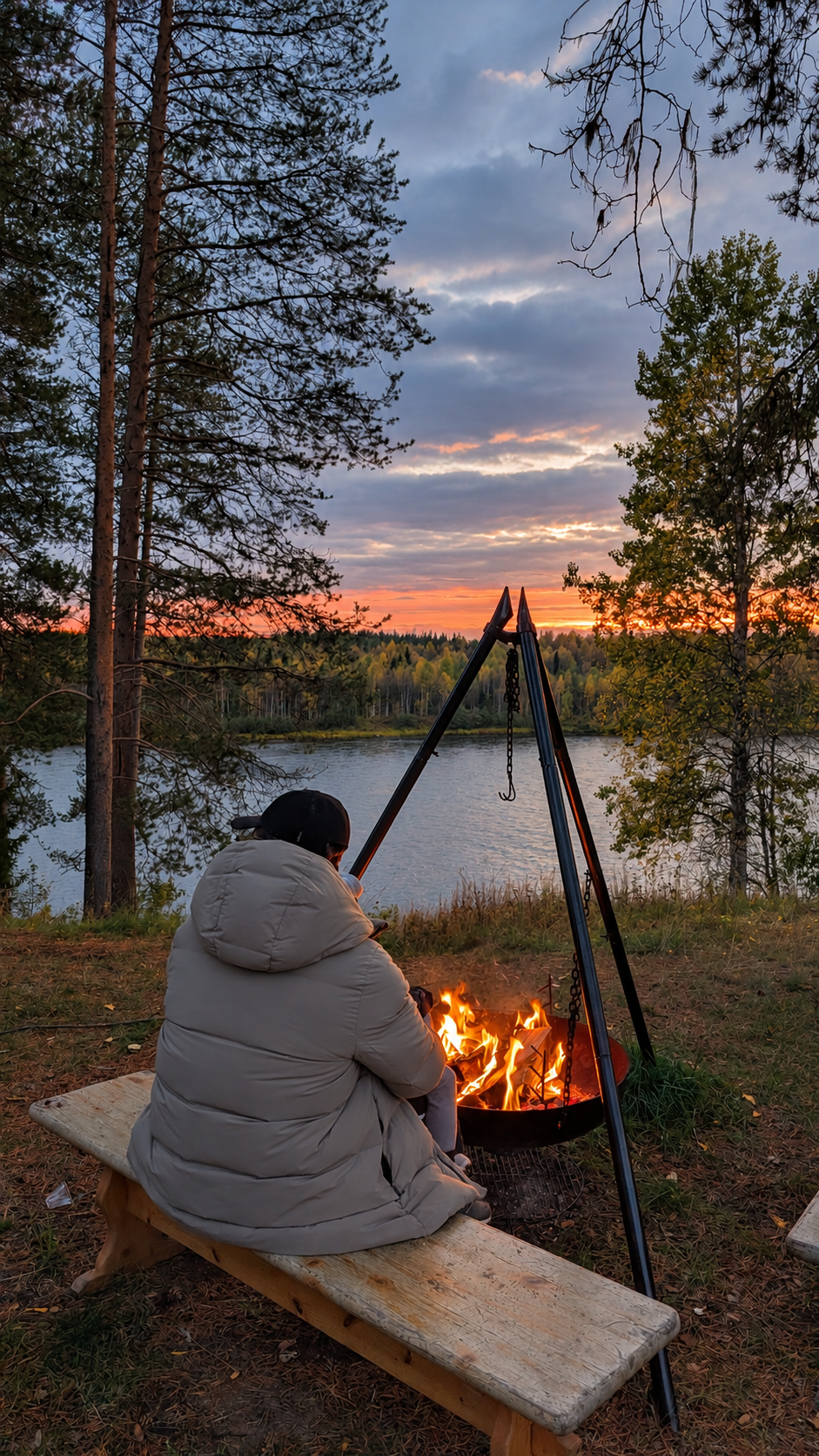
Why We Always Stop for a Campfire
In Lapland, a campfire is more than warmth. It is where we cook, slow down and often have the conversations we remember most.
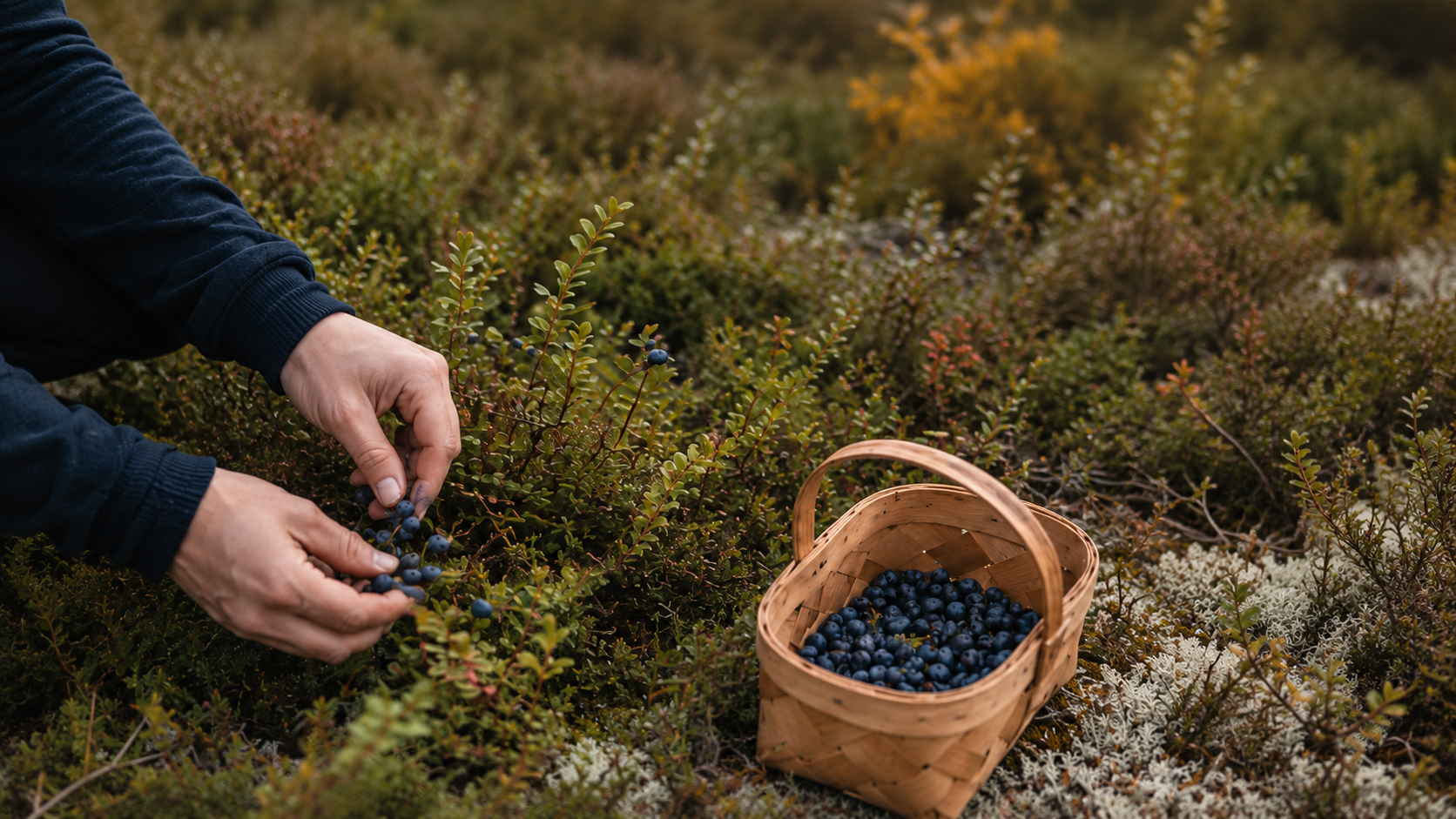
Can You Pick Wild Berries in Finland?
Can you pick wild berries in Finland? Paul explains the rules, how locals find bilberries and what you actually need for a simple trip into the forest.

Why Visit Finnish Lapland? More Than a Winter Destination
Finnish Lapland is much more than snow and Northern Lights. Discover its seasons, outdoor life, quiet moments and why people keep coming back.
Find Your Lapland Stay
Every traveller is different, and so is every stay.
We'll help you find the place that fits your journey — from traditional cottages and sauna cabins to cosy apartments and hidden local stays.
