
What to Wear in Lapland with Kids
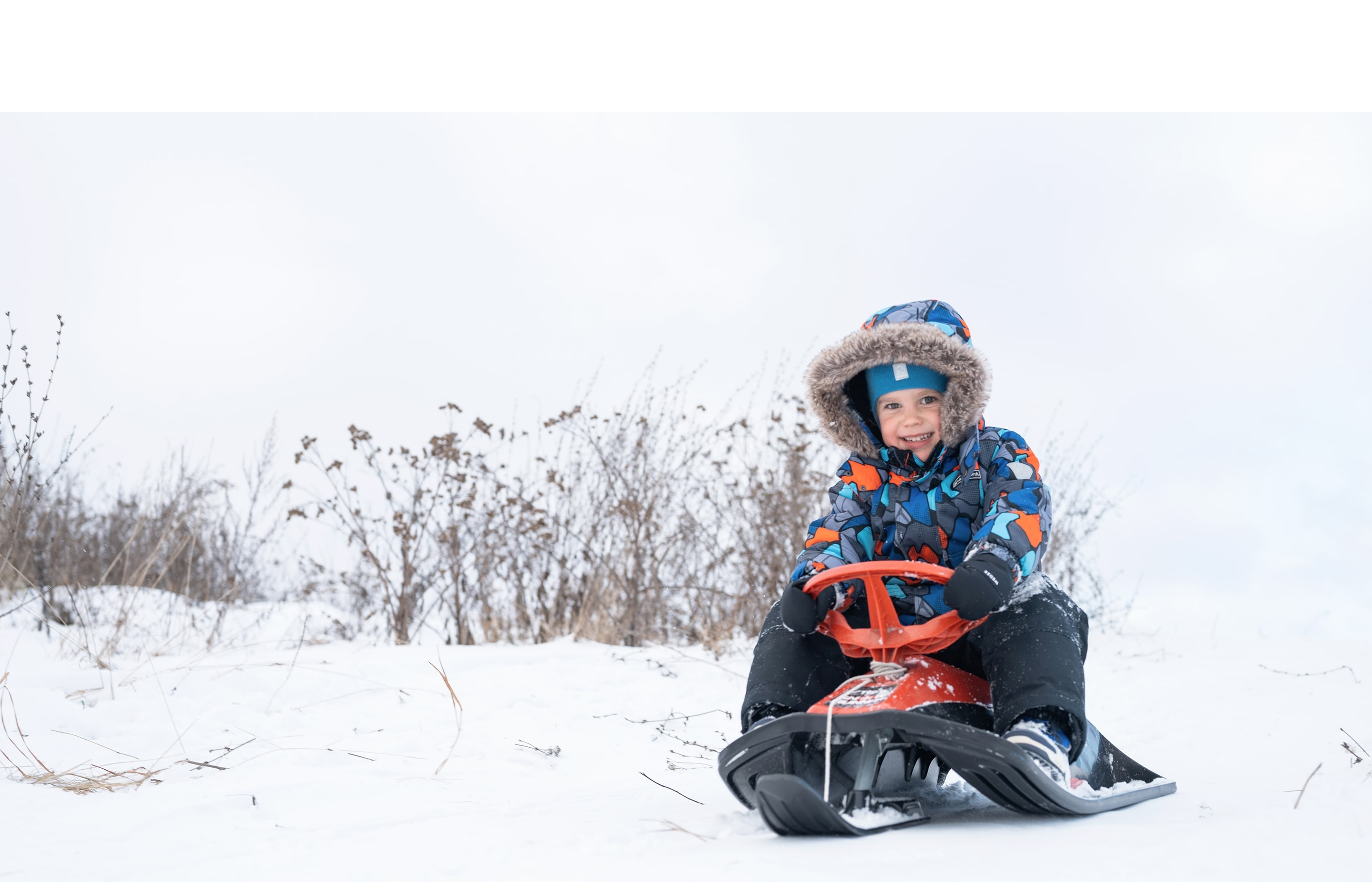
What to Wear in Lapland with Kids
Real advice for keeping children warm in an Arctic winter
Travelling to Lapland with children in winter is magical.
But if you've never experienced an Arctic winter before, seeing –10°C, –20°C or even colder on the weather forecast can be a little intimidating.
Will my child be warm enough? How many layers do they need? What about their hands, feet and face?
After spending winters north of the Arctic Circle with my own little one, I've learned that dressing children for Lapland doesn't have to be complicated.
The most important things are good layers, staying dry and adjusting what they're wearing to the weather and what they're actually doing.
Because a toddler running through deep snow needs something very different from a baby sitting still in a sled.
Need advice for yourself too? Read our guide to What to Wear in Lapland in Winter.
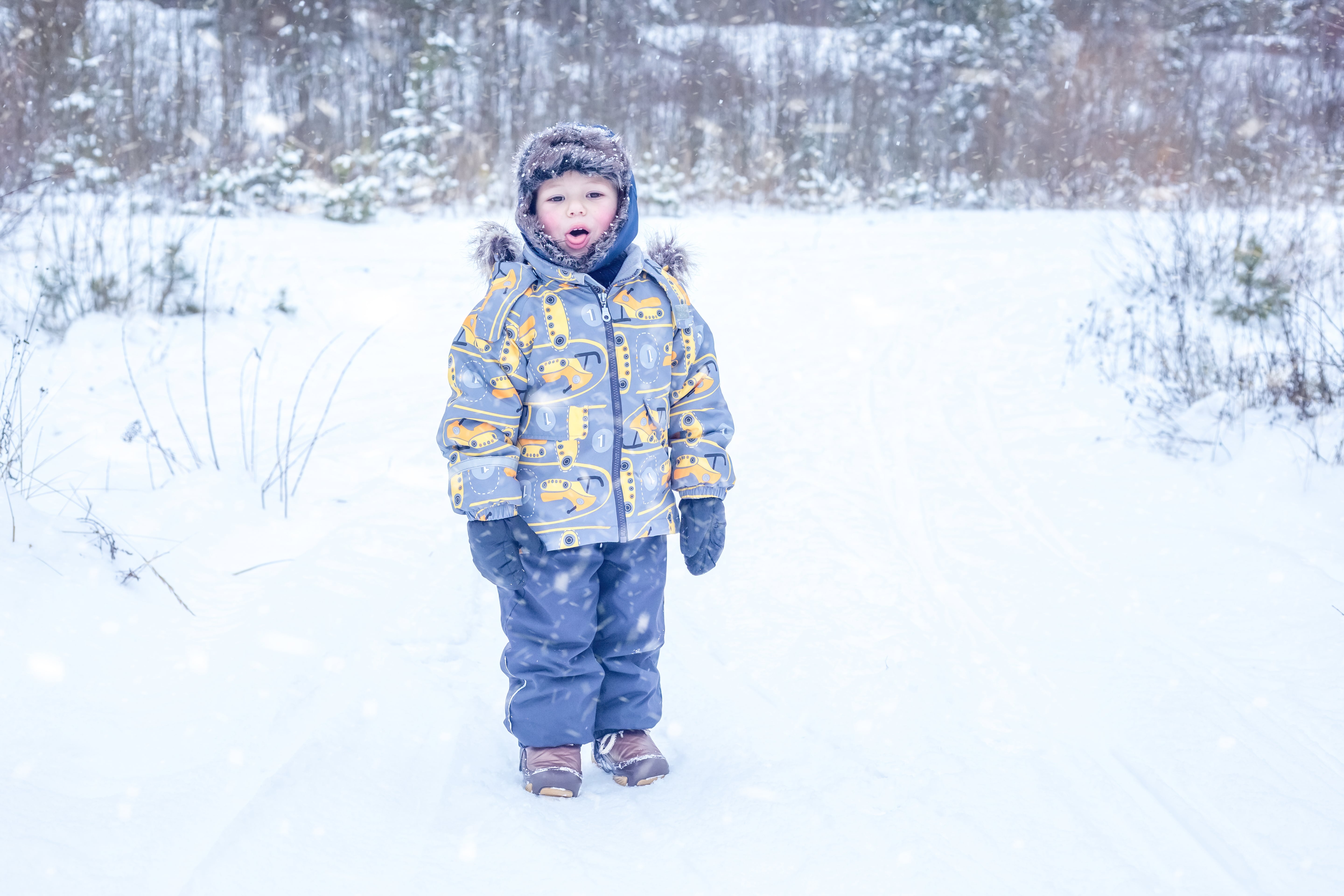
How cold is too cold for kids in Lapland?
This is probably the question parents worry about most.
There isn't one temperature that is automatically right or wrong for every child.
Age matters.
Wind matters.
Clothing matters.
And whether your child is running around or sitting still makes a big difference.
Children can be surprisingly comfortable outside in cold temperatures when they're properly dressed and moving.
On particularly cold days, we simply adjust.
We spend less time outside, take warm-up breaks and pay more attention to hands, feet and exposed skin.
With babies and toddlers, I'm more careful because they can't always tell you clearly when they're getting uncomfortable.
Don't just watch the number on your weather app.
Watch your child.
And if you're wondering what –20°C or –30°C actually feels like, Paul explains it from a local perspective in What Does Lapland Cold Actually Feel Like?
The easiest way to dress kids: three layers
You don't need to put children in endless layers.
Think of three basic ones:
Base layer → insulating layer → outer layer.
The aim is to keep them warm and dry without making them so hot that they start sweating.
1. Base layer
Start with a thermal layer next to the skin.
We use merino wool a lot.
A long-sleeved merino top and leggings make a great base. Good synthetic thermal clothing can work too.
For longer periods outdoors, I avoid cotton as the main base layer because it holds moisture when it becomes damp.
And don't forget warm socks.
2. Insulating layer
The middle layer traps warmth.
Depending on the temperature and your child's age, this could be:
- a wool overall
- a wool sweater
- fleece
- another insulating layer
For babies and toddlers, I particularly like a wool overall.
It's easy to put on, comfortable to move in and doesn't leave a gap around the waist.
3. Outer layer
For younger children, I love a good one-piece snowsuit.
Children don't politely walk through snow.
They sit in it.
Roll in it.
Fall into it.
Climb through it.
A one-piece suit helps keep snow from finding its way between a jacket and trousers.
For older children, proper ski trousers and an insulated winter jacket work perfectly well too.
Whatever you choose, the outer layer should protect against wind, snow and moisture while still allowing your child to move freely.

My favourite for little ones: a wool balaclava
This is one of those small things I discovered after actually spending winters outside with a young child.
I love a good wool balaclava.
It covers the head and ears, but also comes down around the neck. That means there isn't a little gap between the hat and jacket where cold air can sneak in.
And unlike a normal hat, it tends to stay where it's supposed to be.
We've personally used HUTTELIHUT wool balaclavas and really liked them, but you don't need that particular brand.
Look for soft wool, a comfortable fit and good coverage around the ears and neck.
For normal outdoor play, I also prefer a balaclava or neck warmer to a long scarf.
Hands: bring good mittens
If there's one thing children are guaranteed to do in Lapland, it's put their hands in the snow.
Again.
And again.
And again.
That's why the outer mitten needs to keep moisture out.
On colder days, we've used thin merino wool gloves underneath waterproof winter mittens.
That combination works really well for us.
And when we're going out for longer, I always like having a dry spare pair nearby.
Cold, wet mittens can end an otherwise perfectly good afternoon surprisingly quickly.
Warm feet start with the right boots
Footwear makes a huge difference to how long children are happy outside.
Choose proper insulated winter boots designed for cold and snowy conditions, ideally with good traction for icy surfaces.
But don't make the mistake of squeezing several thick pairs of socks inside.
More socks don't necessarily mean warmer feet.
If the boot becomes too tight, you lose the insulating air around the foot.
A good winter boot with enough room and a suitable pair of warm socks is much better.
For babies who aren't walking yet, warm booties and proper insulation around their feet are more important than traditional winter boots.
What about Moon Boots, Uggs and fashionable winter shoes?
For playing outside, I choose practical winter boots.
That doesn't mean every pair of Uggs or Moon Boots is automatically unsuitable. There are many different models.
What matters is whether the footwear is genuinely suitable for the conditions:
Is it warm? Does it stay dry? Does it have good grip? Can your child comfortably walk and play in snow?
For icy paths, playgrounds and outdoor activities, those things matter much more than how the boots look.
Protecting little faces in Arctic cold
Little cheeks need some extra attention in Arctic winter, particularly when it's very cold or windy.
For my own child, I use wool fat (lanolin) on exposed skin.
It's simple, rich and creates a protective barrier. It has worked very well for us during cold winter days in Lapland.
If you prefer a protective cream or balm, choose one that is specifically made for winter and suitable for very cold conditions.
For severe Arctic cold, I don't use an ordinary water-based moisturiser just before we go outside. I prefer wool fat or a water-free protective winter product.
I apply it before we head outdoors rather than waiting until we're already standing in the cold.
A balaclava or neck warmer can also help protect the face from cold air and wind.
And with small children, check exposed skin regularly.
They may be having far too much fun to tell you that their cheeks are getting uncomfortable.
Babies and toddlers are different
This is worth mentioning separately.
A toddler running through deep snow is producing a lot of body heat.
A baby sitting quietly in a stroller or sled isn't.
For our little one, we've often used:
merino or wool base layer → wool overall → insulated outer snowsuit
with warm mittens, foot protection and a wool balaclava.
But I don't believe in one fixed combination for every winter day.
At –5°C while playing, you may need something different from –15°C while sitting still.
That's why checking your child and adjusting layers is more useful than blindly following a clothing formula.

Don't forget reflectors
This is one Finnish habit I really recommend copying.
Winter in Lapland can be dark, even during the day.
You'll notice that a lot of Finnish children's outdoor clothing has reflective details built into it. Children also wear small hanging reflectors or reflective accessories on jackets and backpacks.
They make children much easier for drivers and other road users to see.
If your child's winter clothing doesn't already have them, reflectors are inexpensive and easy to find in Finland.
It's a tiny detail.
But an important one.
Don't make them too warm either
This sounds strange when you're preparing for Arctic winter.
But children can also be overdressed.
A child running, climbing and pulling a sled can produce a lot of heat.
Too many layers can make them sweat. Their clothing becomes damp, and when they eventually stop moving, that moisture can make them feel colder.
So don't automatically use every layer you've packed.
Check your child.
If they're hot and sweaty, adjust.
The goal isn't to put on as much clothing as possible.
It's to keep them: warm, dry and comfortable.
And then let them play
Once you've figured out the clothing, try not to worry about it too much.
Children experience Lapland differently from adults.
We look at a beautiful snowy forest.
They see a snow pile that needs to be climbed.
We admire the frozen landscape.
They find a piece of ice and spend twenty minutes playing with it.
They fall over, get covered in snow, stand up and do it again.
That's exactly why good winter clothing matters.
Not because children need to look perfectly dressed for the Arctic.
But because the right clothing gives them the freedom to forget about the cold and just play.
And that's when winter in Lapland becomes really fun.
Next: What to Pack for Lapland with Kids
Our practical packing list for winter clothing, spare mittens, baby essentials and all those little things that are easy to forget.
For ideas once you're outside, you can also read Playgrounds in Lapland — How Kids Enjoy the Arctic Winter.
Continue Exploring Lapland
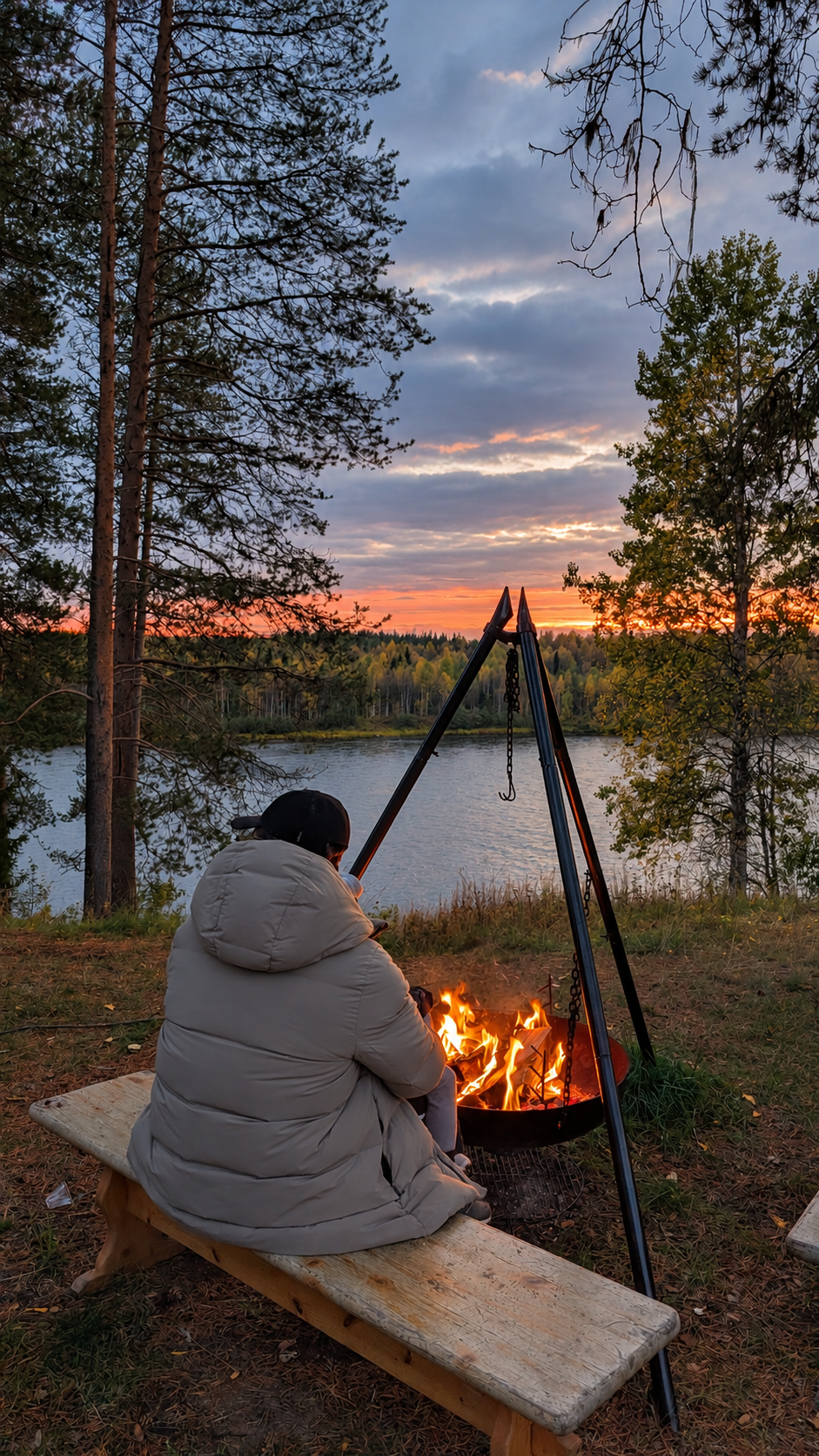
Why We Always Stop for a Campfire
In Lapland, a campfire is more than warmth. It is where we cook, slow down and often have the conversations we remember most.
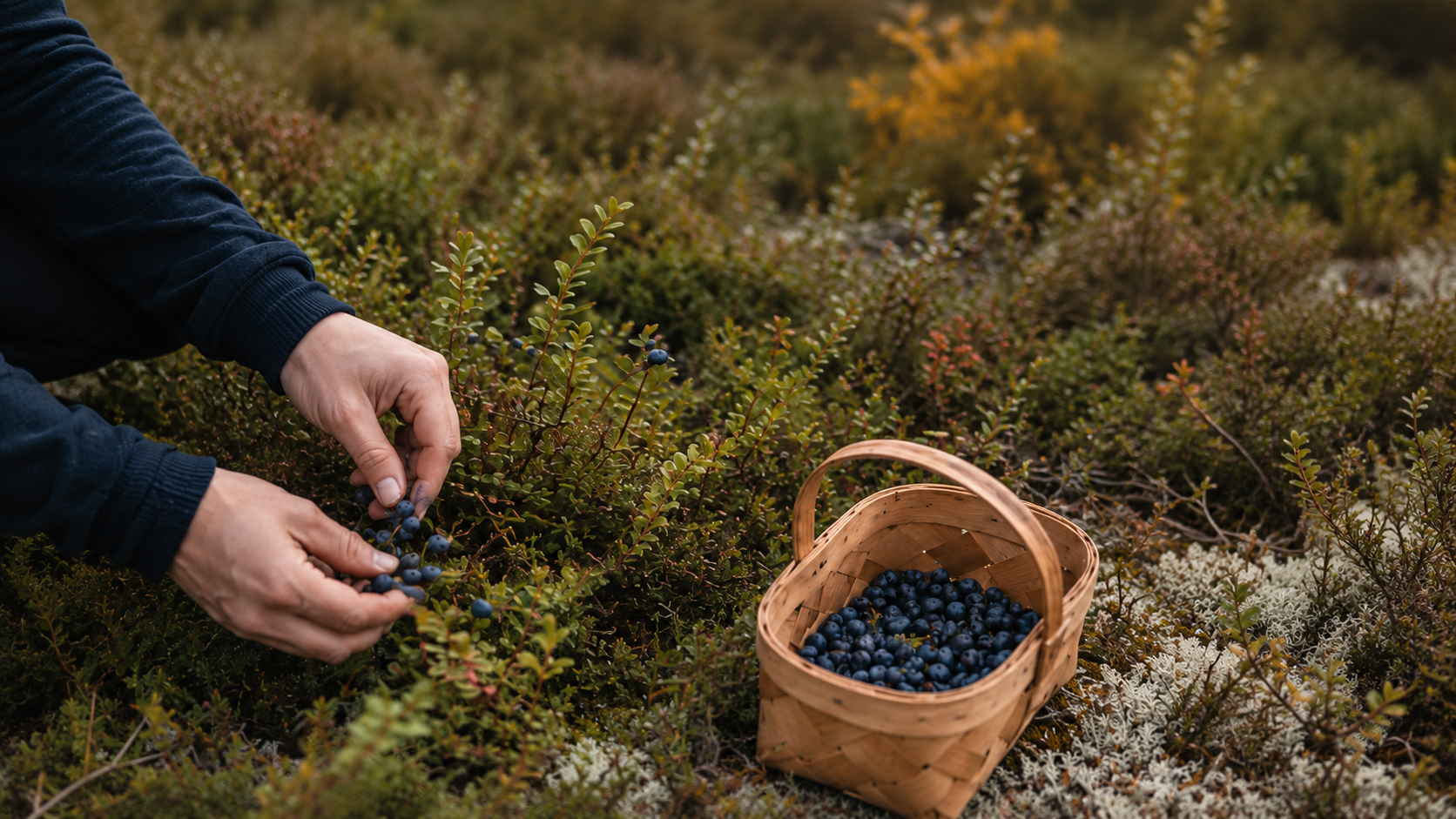
Can You Pick Wild Berries in Finland?
Can you pick wild berries in Finland? Paul explains the rules, how locals find bilberries and what you actually need for a simple trip into the forest.

Why Visit Finnish Lapland? More Than a Winter Destination
Finnish Lapland is much more than snow and Northern Lights. Discover its seasons, outdoor life, quiet moments and why people keep coming back.
Find Your Lapland Stay
Every traveller is different, and so is every stay.
We'll help you find the place that fits your journey — from traditional cottages and sauna cabins to cosy apartments and hidden local stays.
